
From firing generals to limiting women in combat, Hegseth hints at possible Pentagon shakeup
"Any general that was involved ... in any of the DEI woke shit has got to go," Trump's pick for SecDef said in a recent podcast.
"Any general that was involved ... in any of the DEI woke shit has got to go," Trump's pick for SecDef said in a recent podcast.
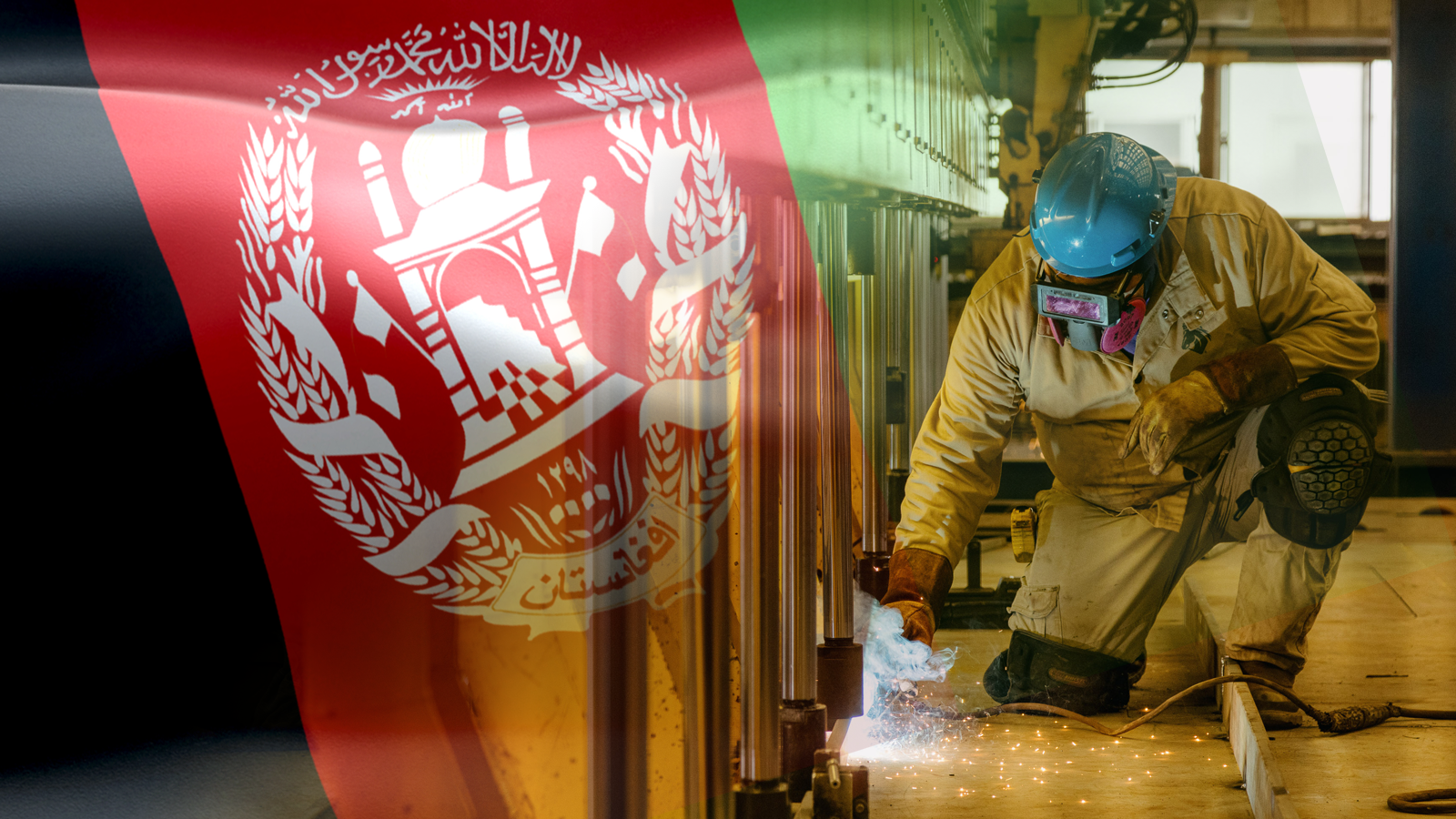
Three years after the fall of Kabul, the US Navy is helping to fund several training programs recruiting Afghan immigrants to work for the nation's ailing shipbuilding industry.

AI-enabled workflows accelerate production, but cybersecurity and governance remain central.
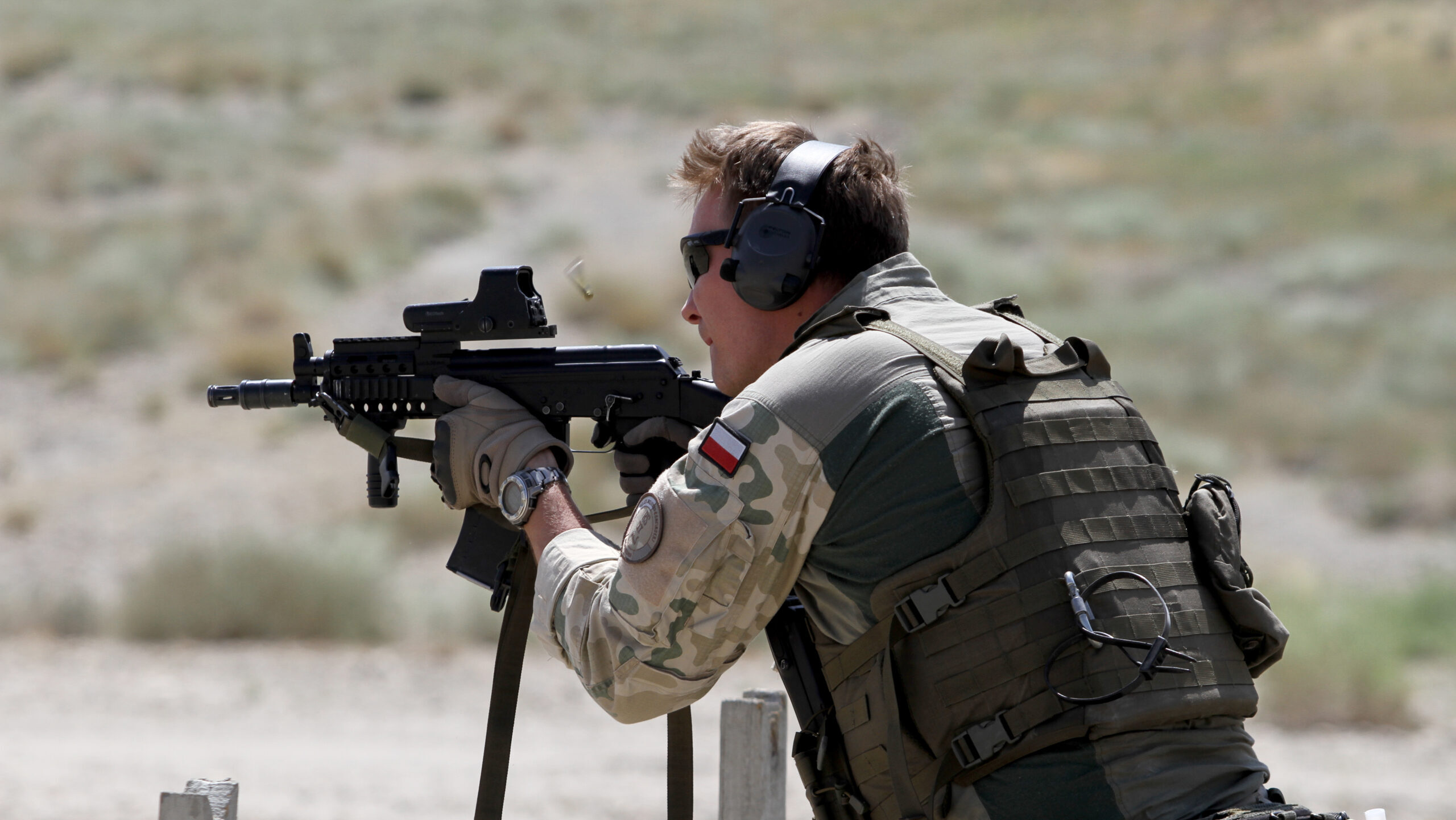
After years of fighting in the MENA, Southwest Asian regions, NATO’s priorities clearly lie elsewhere, experts told Breaking Defense.

The Marine Corps' top officer spent part of his week at the Modern Day Marine exposition giving some of his last talks as the commandant.

Beyond actual aviation news, I will continue to mention Taylor Swift in these lists until my editors force me to stop. [Editor's Note: Fine.]

On the anniversary of the last US evacuation of Afghanistan, Col. Salim Faqiri discusses his harrowing escape from the Taliban and his new, difficult life in the US.
AI tools are critical components of modern warfare, but must be protected to ensure they are reliable.
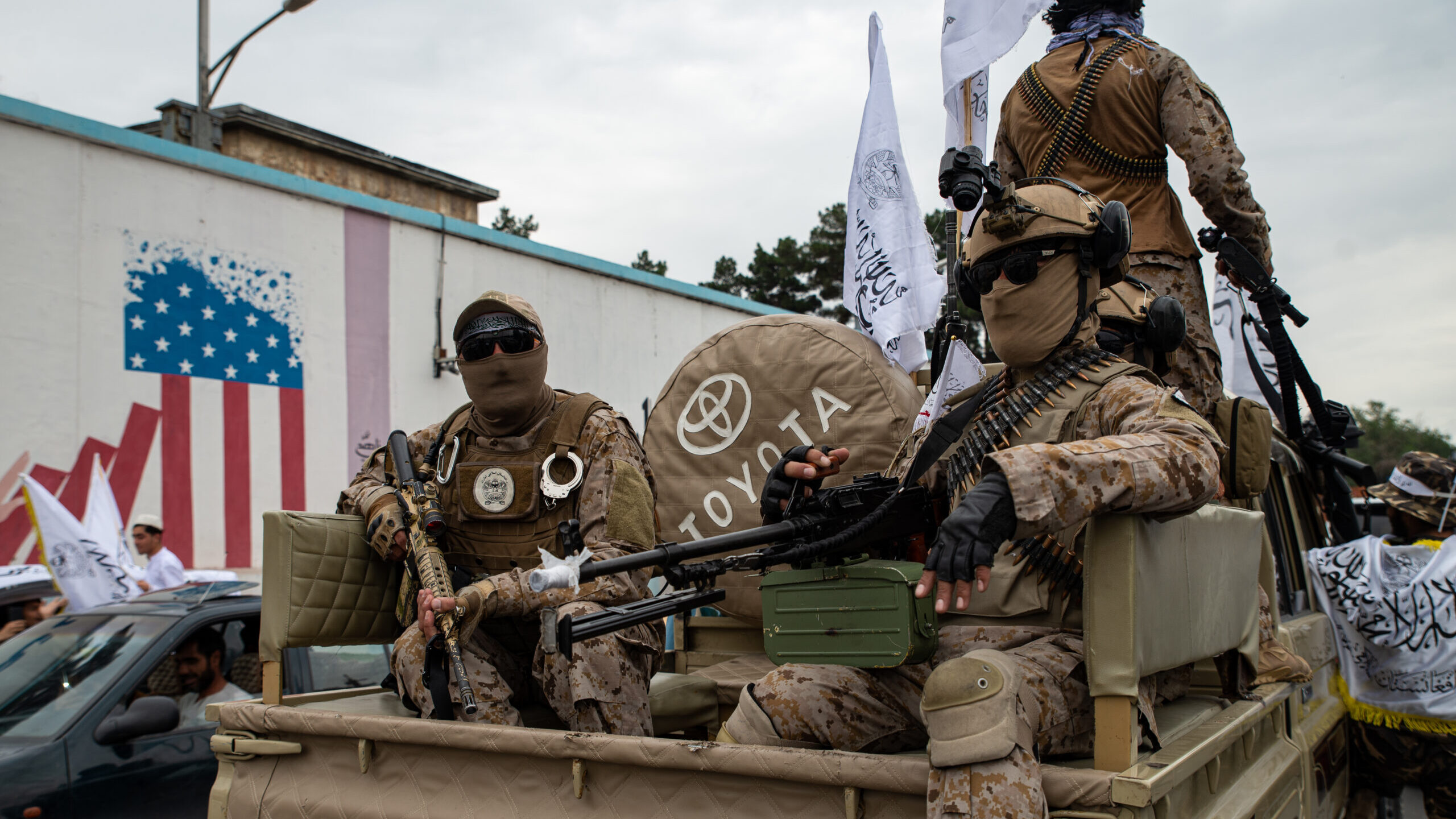
Ground vehicles accounted for the lion's share of the equipment left behind.

The Afghanistan withdrawal and the consolidation of all in-country military networks to one base at Hamid Karzai International Airport illustrated unique challenges with direct applicability to Joint All Domain Command and Control and future Project Convergences.
"I don't see a direct threat to the homeland today, but I think it's something that we have to be aware of," Gen. Richard Clarke said.

The terrorist attack that killed nearly 3,000 Americans and set the US on a course for war in Afghanistan also prompted a formal commission to deeply examine how the US government allowed the attack to happen. Twenty years later, retired Brig. Gen. James Scott O’Meara argues in this op-ed that a similar commission is crucial […]
A commercial prototype in a sandbox is different from deploying AI across classified networks.

The bill also requires the IC to share information with the Defense Department's Unexplained Aerial Phenomena Task Force.

The anguish of dealing with the aftermath of the end of the Afghan war came through clearly in some of Defense Secretary Austin's testimony. "Did we have the right strategy? Did we have too many strategies? Did we put too much faith in our ability to build effective Afghan institutions, an army, an air force, the police force, and government ministries? We built a state, Mr. Chairman, but we could not forge a nation."
The NDAA easily passed and now heads to the Senate.

One senior official said he wants his agency to have the urgency about China the way the US had urgency about counterterrorism after 9/11.